i like deepseek and Qwen
Before May 2026, I had never used DeepSeek, Qwen 3.6 Plus, or any other Chinese LLMs for programming. As readers of my previous blog might recall, I primarily relied on GitHub Copilot’s models, favoring Claude Sonnet 3.6 and Claude Opus 4.7 (a bit pricey—if you’re wealthy, pretend I didn’t say that). My secondary choice was GPT Codex 5.3.
So when I first considered using DeepSeek or Qwen 3.6 Plus, I was skeptical—worried their code quality wouldn’t meet my standards.
I knew strategies like syntax/structure constraints and cross-model code reviews could mitigate risks, but I still wanted the base model’s capability to be as strong as possible.
First Steps with DeepSeek
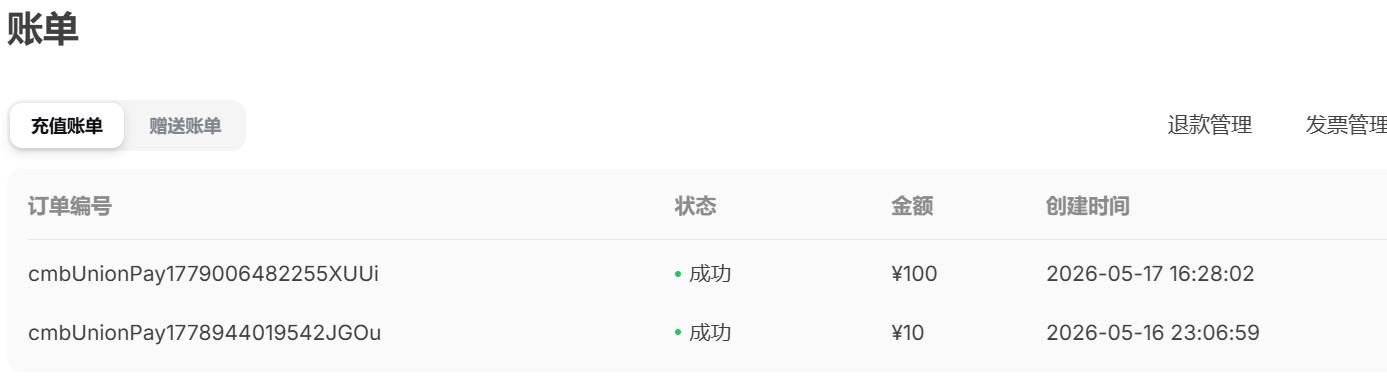
I started by topping up credits on DeepSeek’s official platform. Proof below:

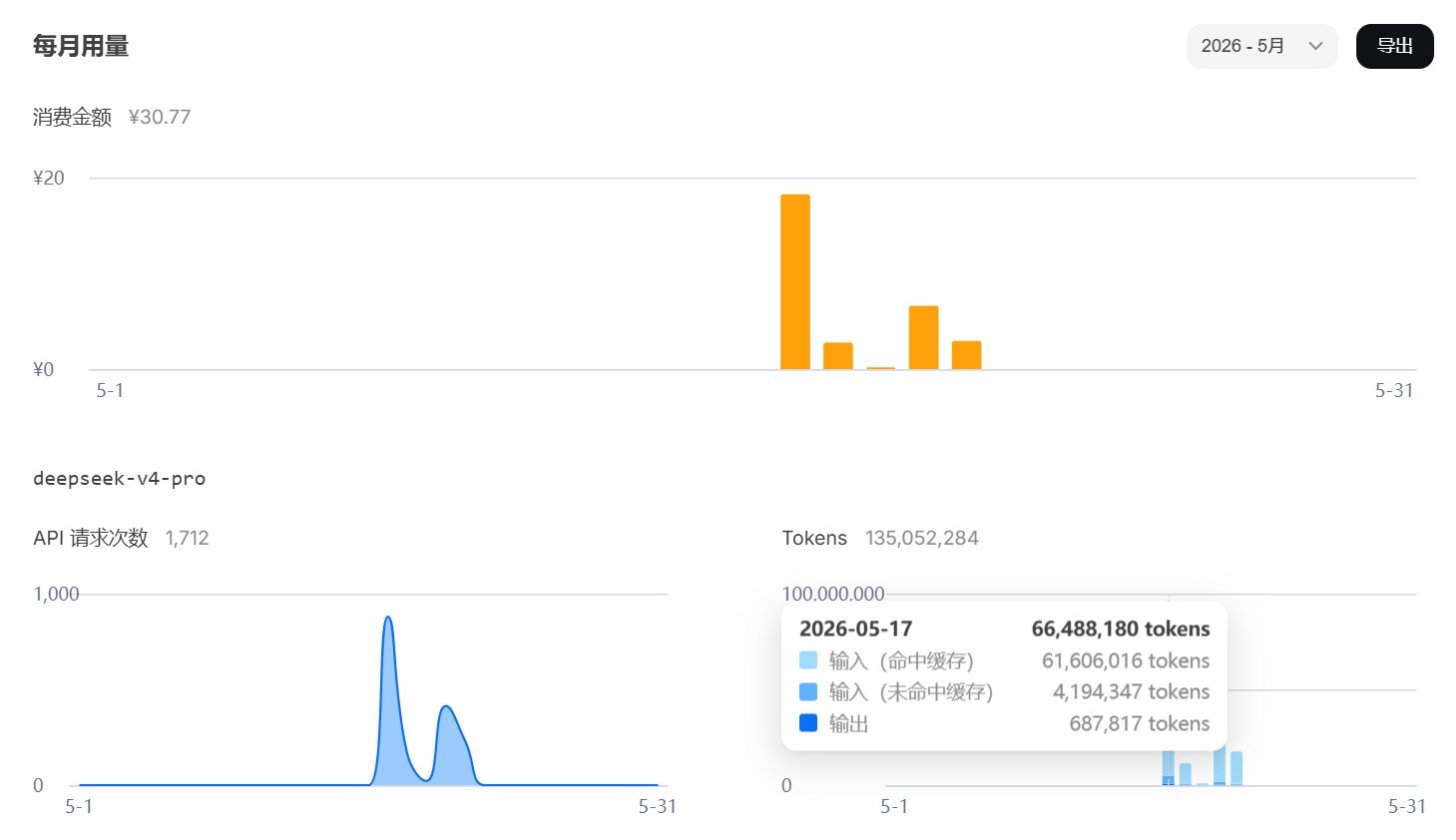
Over the next few days, I intensively tested DeepSeek v4 Pro. To give you a clear picture, here’s my usage breakdown:
May 17, 2026
Cost: 18.28 RMB (≈ $2.53) Total tokens: 66,488,180 Input (cached): 61,606,016 Input (uncached): 4,193,347 Output: 687,817
May 20, 2026
Cost: 6.61 RMB (≈ $0.92) Total tokens: 38,690,681 Input (cached): 37,049,600 Input (uncached): 1,387,345 Output: 253,736
If I maintain my recent high-intensity AI coding pace with DeepSeek v4 Pro: Daily cost: ~40 RMB (≈ $5.55); Monthly cost (30 days): ~1,200 RMB (≈ $166.50).
Is this cheap? Compared to Copilot Pro+ ($39/month for 1,500 premium requests, e.g., one Claude Sonnet 4.6 call), no.
But compared to Copilot’s post-June 2026 pricing (see my first blog), it’s a bargain.
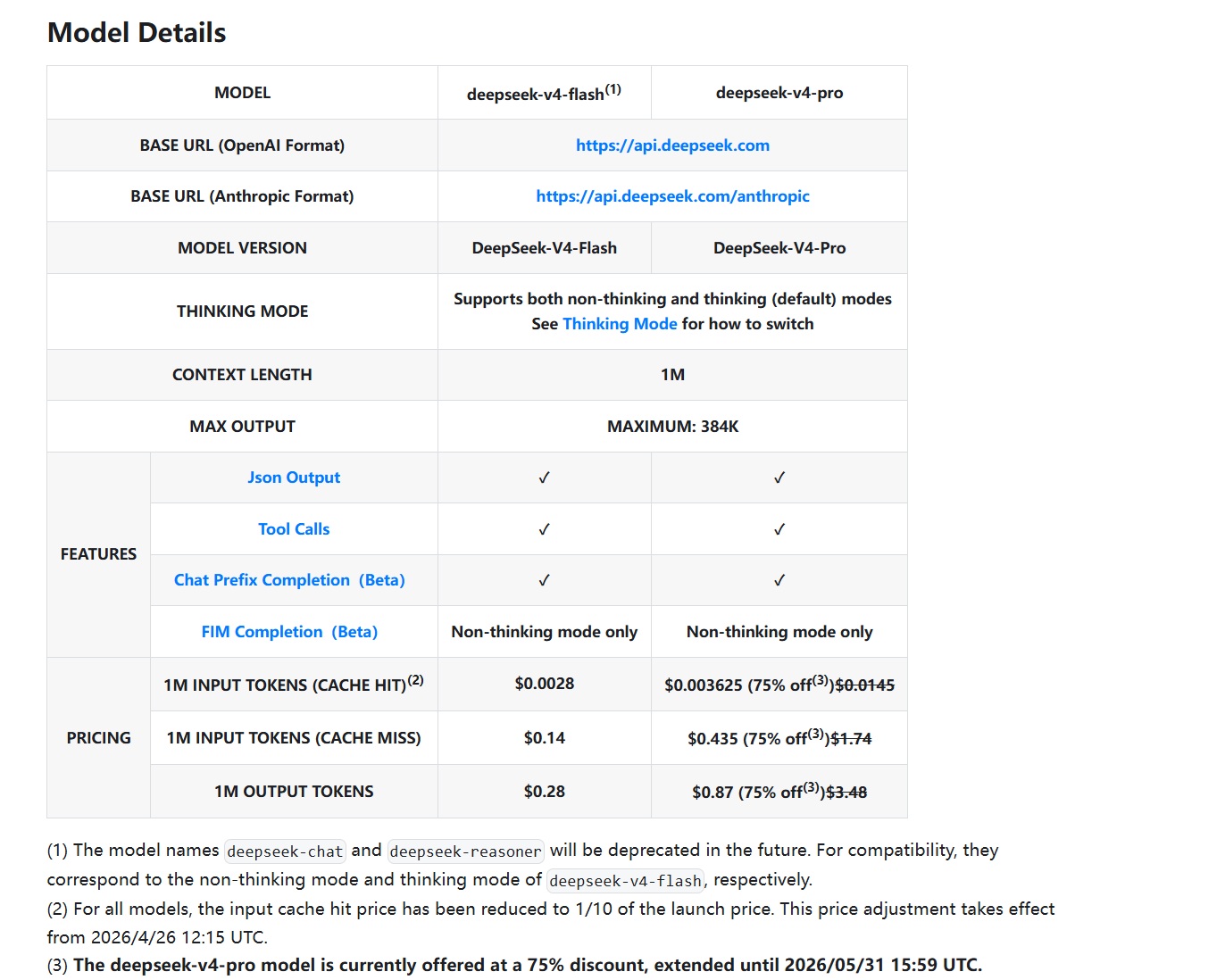
Important Note:DeepSeek v4 Pro is currently 25% off until May 31, 2026 (see screenshot below). After June, prices will revert to standard rates.
I’ll share updated billing data in a follow-up blog to track real-world costs post-discount.
What’s Next?
In my next post, I’ll analyze Qwen 3.6 Plus’s AI coding costs.
After that, I’ll dive into: 1、Token-saving strategies without sacrificing code quality. 2、Cost-cutting methods that don’t rely on reducing token usage. 3、Balancing affordability and reliability—how to save money while maintaining high code standards.
A Shoutout to Google Gemini
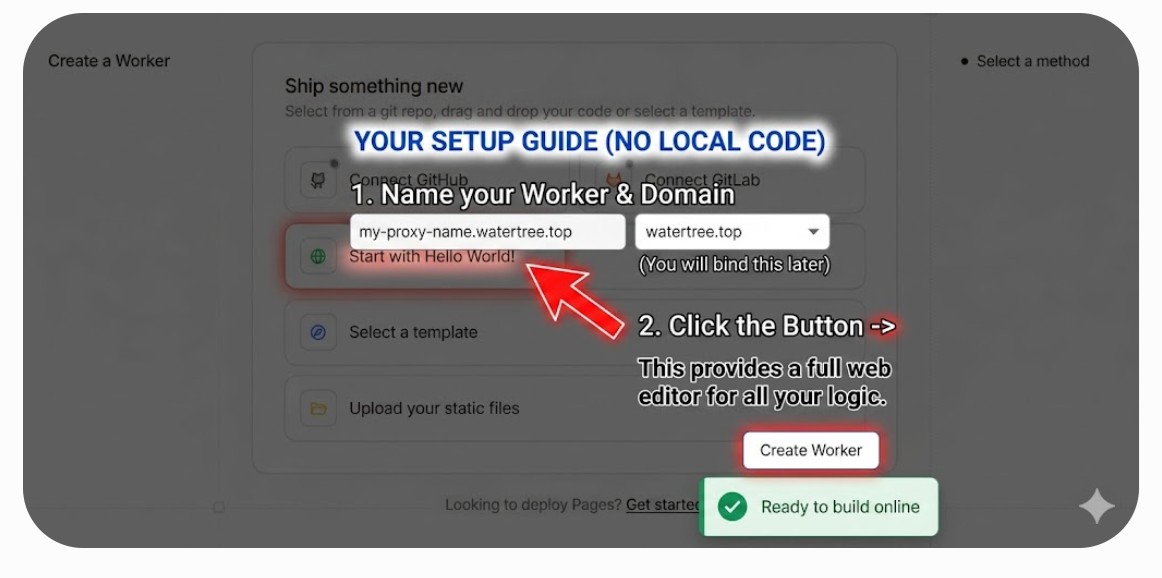
Today, I must praise Google Gemini. When I pasted an image asking for help, it returned a step-by-step guide image—truly impressive!
About Me
I’ve worked at NetEase Games, Baidu, Tencent (8 years), and Meituan (nearly 7 years), leading large R&D projects and managing teams of over 100 engineers.
Now I build software as an independent developer.
Why? Because the world is full of uncertainty—staying at one company too long can make you addicted to certainty. Building on your own is like sailing into uncharted waters.
I believe good software should give people a sense of security and control. That’s the thread connecting everything I make:
PhotoRestore Pro — AI photo restoration that runs 100% offline on Windows. Your photos never leave your device. No cloud, no account, no compromise on privacy. Built for legal professionals, but anyone with old family photos will find it useful.
AstroSky — Think of it as “Snapseed for astronomy.” Turn raw FITS data into stunning celestial images. Fully offline, GPU-accelerated, with a Beauty/Science dual mode that serves both casual stargazers and researchers.
fastool.io — A collection of browser-based science tools. Right now it’s focused on astronomy: solar path tracking, moon phase analysis, sidereal time calculation, telescope FOV planning—all running in your browser with zero data upload.
Whether I’m gazing at the cosmos or refining a line of code, the goal is the same: build tools that put people in control of their own data.
Get in touch: HummingbirdLabs@outlook.com.